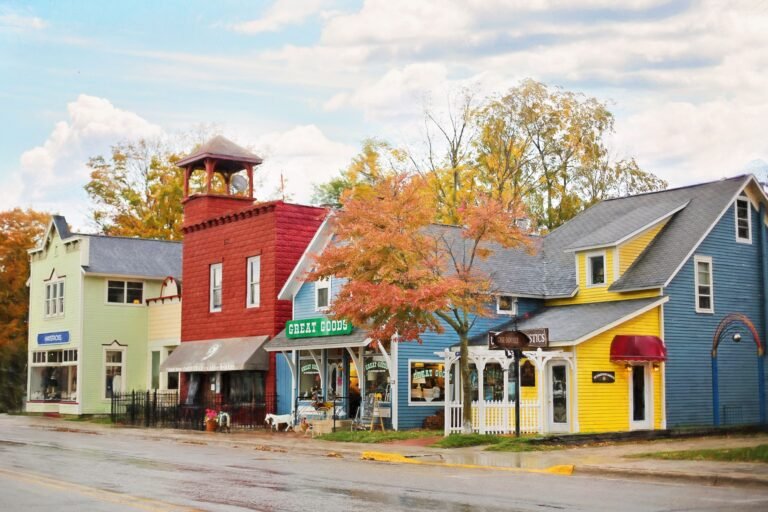
For big city residents considering an urban to small town relocation, the hardest part is admitting that excitement can coexist with real friction. The core tension is a bundle of lifestyle transition challenges: trading convenience and anonymity for quieter days, fewer options, and a pace shaped by local rhythms. Small town community dynamics can feel welcoming and tight-knit, yet also more visible and slower to open up, especially for newcomers used to urban turnover. Getting clear on relocation decision factors early, work, housing expectations, social life, and daily logistics, turns a romantic idea into a grounded choice.
Quick Summary: Moving to a Small Town
- Compare daily lifestyle differences, including pace, amenities, transportation, and access to services.
- Research housing realities, including availability, costs, and what you can expect from local neighborhoods.
- Review employment basics early, including local job options and how they fit your budget.
- Plan practical logistics with a relocation checklist so key tasks do not get missed.
- Prepare to integrate into the community through simple, intentional steps that build local connections.
Keep Your Career Flexible with an Online Business Degree
Once you’ve confirmed the big-picture realities of small-town life, it’s worth protecting your career options in case the local job market is tighter than you’re used to. If the town you’re moving to doesn’t have colleges nearby, earning an online degree can help you keep building momentum without relocating again. With a business degree, you can pick up broadly useful skills, like accounting, business fundamentals, communications, or management, that translate across many roles and industries. Online programs also make it easier to keep working full-time while staying on track with your coursework; you can study around your schedule instead of having to fit your life around campus hours. If you want to explore program choices, take a look here.
Map Your Move: Housing, Budget, Work, and Daily Logistics
A small-town move goes smoother when you treat it like a project: gather local facts early, price your options realistically, and set up day-to-day routines before you arrive. Use the steps below to reduce surprises and get to “normal life” faster.
- Build a small-town housing shortlist (with backups): Start with 2–3 housing types you’d consider, renting a year, buying immediately, or a short-term rental while you learn the area. Call local property managers and ask what doesn’t show up online: average days-on-market, seasonal availability, typical utilities, and whether faster internet is reliably available at the address. If inventory is tight, widen your radius by 10–20 minutes and compare commute time, road conditions in winter, and proximity to essentials.
- Create a relocation budget with a 10–15% “small-town surprise” buffer: Price the move in three buckets: one-time costs (deposit, moving truck, hookups), first-90-days costs (furnishings, tools, commuting changes), and ongoing monthly costs (utilities, fuel, insurance). Add a contingency line for items that hit differently outside a city, car maintenance for longer drives, higher heating costs, or limited contractor availability. If you’re pursuing an online business degree or other training, include tuition and study time as planned investments so you’re not forced into short-term financial decisions.
- Audit local employment opportunities like a consultant: Make a two-page “work map” listing top employers (schools, hospitals, manufacturers, municipal offices), typical wages, and hiring cycles. Then list your remote options: stable remote roles, contract work, and local side income (seasonal work, services, or consulting). Ask direct questions during networking calls, “What skills are hardest to find locally?”, and align your upskilling (including online coursework) to those gaps.
- Plan transportation around what’s actually available: Assume public transportation in small towns is limited and verify specifics: routes, hours, weekend service, and demand-response options for seniors/disabled riders that may also help households in a pinch. If you rely on a car, do a “commute reality check” by driving key routes at the times you’d normally travel and noting lighting, wildlife risks, and winter maintenance. Build a backup plan for one-car days (rideshare availability, neighbor ride swaps, bike routes) so missed trips don’t derail work or appointments.
- Pre-load your essential services list before day one: Identify and call primary care, dental, urgent care, pharmacies, and veterinarians to ask about new-patient timelines and which insurance plans they accept. Locate the nearest big-box shopping, specialty groceries, and home-repair suppliers; in many towns, errands consolidate into one or two weekly trips. Save addresses, hours, and after-hours numbers in one place so you’re not searching during an emergency.
- Schedule community-building activities like recurring appointments: Choose two “repeatable” activities that fit your lifestyle, volunteering, a recreation league, a faith community, a hobby club, a library event, or a professional group. Show up consistently for 4–6 weeks; in small towns, familiarity builds trust faster than one-off introductions. This also helps employment: casual conversations often surface job leads, contract work, and recommendations.
Common Questions About Moving to a Small Town
Q: How do I make friends when everyone already knows each other?
A: Start by becoming a regular somewhere, not by trying to meet everyone fast. Pick one or two repeat activities and show up weekly so people learn your name and routines. Many towns naturally gather around social hubs like parks, markets, and main gathering spots, so plan to spend time there.
Q: What if the local job market is too limited for my career?
A: Treat it like a skills matching exercise, not a title hunt. Update your resume to highlight capabilities and measurable results, then ask local contacts what skills are in short supply. Many employers are shifting toward skill-based hiring, which can help career changers and remote-first workers.
Q: How do I choose the right school option for my kids?
A: Call the district and ask specific questions about class sizes, bus times, special services, and extracurriculars. If possible, schedule a visit during a normal school day and talk to a counselor about how new students are placed. Consider whether a longer commute is worth a better fit.
Q: Can I count on finding doctors, dentists, and urgent care quickly?
A: Sometimes yes, but waitlists are common, so call before you move and ask about new-patient timelines. Confirm which insurance plans are accepted and where after-hours care actually happens. Keep a written list of nearby pharmacies and the closest hospital for peace of mind.
Q: How do I handle getting around without big-city transit?
A: Assume you will need a Plan A and Plan B for every essential trip. Test drive routes to work, groceries, and medical care at the times you would actually travel, then note winter conditions and lighting. If you will not have a car full-time, ask about ride programs, demand-response options, and neighbor ride swaps.
Q: What replaces big-city entertainment without feeling bored?
A: Shift from “endless options” to “repeat favorites” you can actually attend consistently. Look for local event calendars, leagues, classes, and volunteer nights that build both fun and friendships. A simple monthly habit like live music, a game night, or a weekend hike can quickly feel like home.
Building Belonging After a Big-City to Small-Town Move
Leaving a big city can feel like trading convenience and anonymity for quieter days and closer scrutiny, and that tension can shake relocation confidence building. The steadier path is the one grounded in practical preparation for move decisions, paired with showing up consistently while adjusting to new community rhythms and norms. When that mindset leads, the unknowns become manageable, and embracing small town life starts to feel less like a leap and more like a fit. Small-town life works when preparation meets presence.