
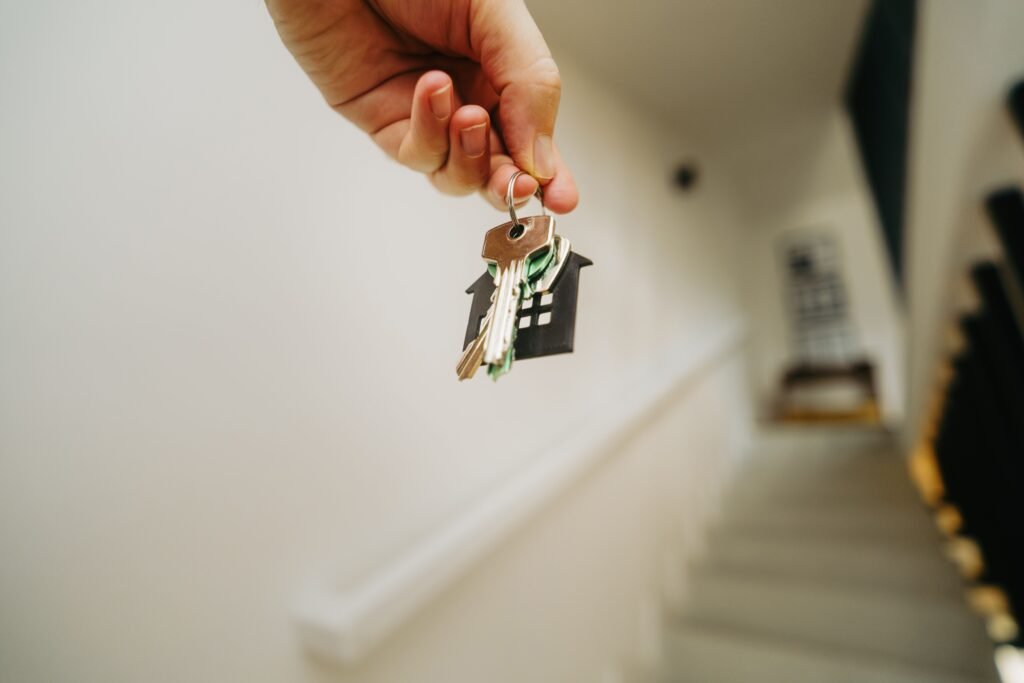
For renters after divorce, relocating can feel less like a choice and more like a forced reset. The post-divorce transition often brings tight timelines, emotional overload, and the pressure to find a place that feels safe without locking into the wrong fit. Still, relocation benefits go beyond a new address when the move is treated as a chance to rebuild routines, protect day-to-day calm, and create a stable home environment. With the right mindset, the same transition can open real personal growth opportunities.
Key Takeaways at a Glance
- Focus on relocation strategies that support emotional stability and reduce daily stress after divorce.
- Weigh housing options for renters to balance affordability, safety, and long term stability.
- Use moving as a reset to build routines and regain control over your living situation.
- Choose a rental setup that supports growth by aligning space, location, and responsibilities with your needs.
Understanding a Growth-Focused Home After Divorce
Moving after divorce is not only a logistics change. It is a psychological reset that can calm your nervous system, reduce daily triggers, and create a clearer sense of control. A growth-focused home environment is what happens when you design your space to feel predictable, supportive, and aligned with who you are becoming, starting with a safe and secure environment you can rely on.
This matters because stability is built through repeatable cues, not big declarations. When your home supports sleep, routines, and boundaries, you make better decisions and recover faster from setbacks. For many people, renting is the realistic path for a while, and the probability of the average renter not becoming a homeowner in the next three years makes intentional setup even more important.
Picture a new apartment where the entryway has a landing spot for keys and bills, the bedroom is screen-free, and one corner is reserved for planning. Those small design choices reduce decision fatigue and help you stay steady on hard days. The space becomes a quiet coach, not a reminder of what ended.
Start a Small Business After the Move: A 5-Step Momentum Builder
Starting a small business after relocating can rebuild direction by giving you something you control, your schedule, your goals, and the progress you can track. It does take planning, organization, and commitment, especially when you’re also settling into a new place, but that structure can be grounding in the aftermath of divorce. Creating a clean legal foundation helps, too: form an LLC to separate your personal and business finances, add credibility, and clarify ownership, often a relief when you’re rebuilding independence. If the paperwork feels like a hurdle, registering your business through a formation service can simplify the setup so you can focus on the work itself. With the move and your new momentum in place, the next step is shaping your home routines to support calm and consistency.
Set Up Your New Place for Calm: 7 Renter-Friendly Stability Habits
A new lease after divorce can be more than a change of address, it can be a stability system you can maintain on busy weeks and lean months. Use these renter-friendly habits to make your space calmer, more functional, and aligned with the momentum you’re building.
- Run a “first 72 hours” setup list: Unpack only what makes daily life work: bedding, a two-day capsule wardrobe, basic cookware, chargers, and one cleaning kit. Put the list on paper and check it off so you don’t make expensive, scattered purchases under stress. This quick structure creates immediate safety and frees attention for bigger goals like your new work routine or side business plan.
- Create three home “zones” to protect energy: Define a rest zone (bedside table + lamp + book), a reset zone (laundry basket + hooks + trash), and a work zone (small desk surface + storage). Even in a studio, a folding screen or rug can signal “work ends here,” which is critical if you’re validating a business idea or doing client calls from home. Zones reduce decision fatigue and keep clutter from spreading.
- Build a paperwork and digital admin station: Set one drawer or binder for lease documents, renter’s insurance, divorce paperwork, school records, and business/LLC notes. Pair it with a simple digital folder structure (Housing, Insurance, Taxes, Business) and a monthly 20-minute “admin reset” on your calendar. This is a renter’s stability tactic that prevents small issues, like a missed renewal or lost receipt, from turning into big disruptions.
- Use growth-focused decor with one visible “progress board”: Choose a wall spot for a small whiteboard, corkboard, or framed paper where you track 2–3 weekly targets: fitness, budgeting, outreach for your business, or apartment organization. Keep it factual and kind, progress, not perfection, because a growth mindset is built through repeated cues and follow-through, not a single burst of motivation. Research on a growth mindset intervention shows measurable performance gains, a reminder that environment plus routine can support better outcomes.
- Plan your home budget like a stability buffer, not a restriction: If you’re rebuilding income or starting a small business, prioritize predictability: rent, utilities, groceries, transportation, then a small “household sinking fund” for replacements (light bulbs, shower curtain, storage bins). This matters because family income falls for many households after divorce, and your home setup should reduce surprise spending. Aim for one “no-spend room” at first, decorate it using what you already own.
- Make the lease work for you with renter-friendly upgrades: Add temporary improvements that increase calm without risking your deposit: removable hooks for entryway organization, tension rods for closet separation, and warm lighting for evenings. Use clear bins with labels for “daily,” “weekly,” and “seasonal” items so you can find essentials fast during custody exchanges or travel. These low-cost changes turn organization into a repeatable system.
- Design a supportive living space that makes connection easy: Decide on one “open door” routine: a weekly coffee with a friend, a standing call with family, or hosting a simple meal once a month. If you’re rebuilding after divorce, a home that welcomes safe people supports emotional steadiness; many post-divorce checklists emphasize the value of supportive friends and family. Keep it simple, two mugs and a clear table beats a perfectly styled room.
Common Questions About Moving After Divorce
Q: How can relocating after a divorce help me establish a more stable and supportive living environment as a renter?
A: Relocating lets you choose a rental that matches your new budget, commute, and emotional needs, instead of staying in a space tied to old routines. Look for predictable costs, safe access, and a layout that supports simple daily rhythms like sleep, meals, and work. Stability often starts with a lease you can confidently maintain for 12 months.
Q: What are some practical ways to create a growth-focused home atmosphere during the transition to a new rental after divorce?
A: Pick one small “progress cue,” such as a weekly checklist on the fridge or a dedicated spot for your laptop and notes. Keep purchases minimal at first and focus on systems: labeled folders for documents, a set bill-pay day, and a short Sunday reset. Small routines create momentum when motivation dips.
Q: How can moving to a new place reduce stress and uncertainty following a divorce?
A: A fresh environment can reduce constant reminders and help your brain form new, calmer associations. If kids are involved, recognize that moving to a new house can be a major stressor, so keep schedules steady and communicate early. Build certainty by setting a simple timeline for utilities, address changes, and first-month expenses.
Q: What are key factors renters should consider to enhance personal well-being when relocating after divorce?
A: Prioritize light, noise level, and a sense of safety, because these affect sleep and focus right away. Also check practical friction points: parking, laundry access, and how quickly you can reach your support network. If you share parenting time, a custody order can shape where you can live, so review it before signing.
Build Stability After Divorce by Choosing One Intentional Move
After divorce, it’s easy to feel stuck between protecting stability and needing a fresh start. The steadier path is embracing change after divorce with a new chapter mindset, treating relocation as a deliberate reset rather than a rushed escape. When the move is guided by clarity and consistency, the positive outcomes of relocation show up as stability through moving: calmer routines, cleaner boundaries, and more confidence in day-to-day decisions. A thoughtful move can be the bridge between survival mode and a stable new life.